Identity Guidelines
January 2024
Our brand of visual vocabulary
A single photo or short video can humanize Motivf’s work while conveying the impact our engagements have on the clients we work for and the people we serve.
People understand images much faster than text and remember visuals longer. Like maps, photos are processed by the brain using pre-attentive processing, which is tied to decision-making and quick visual cognition.
Photos and videos can authenticate a story, engage the viewer, and symbolize an issue. They can establish an emotional connection that helps viewers care about an issue or engagement. And, they convey character and expertise when delivered properly.
The good
For Motivf’s uses, select uncluttered, documentary-style, vibrant, full-color photos of our clients’ customers (people, preferably) looking at the camera.
We show emotion and wherever possible the personal impact of Motivf’s work and/or a demonstration of our values. Choose subjects and photos that convey rapport and respect for the person photographed.
Always include people and convey emotion. Web, social, and outbound digital imagery always includes humans in all photography.



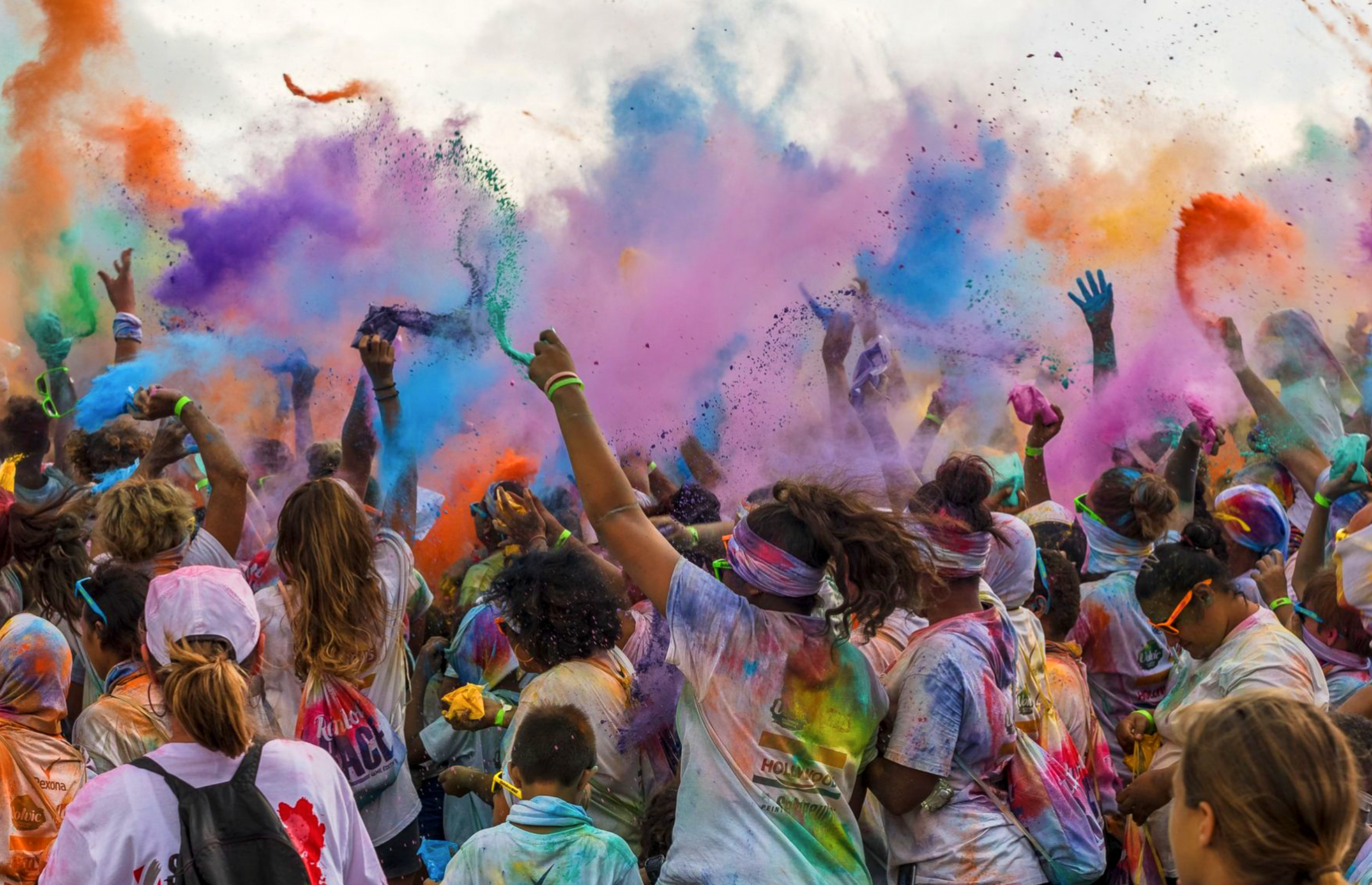

The background and environment can provide context to help tell the story. Look for action portraits or mood. Where possible, include natural Motivf branding embedded in the scene. If you need to show a sign, building or other object, include a person in the foreground.
For primary images on brand collateral, website home page and landing pages, and anywhere else where we talk about Motivf at large (not project specific) we are looking for bright, cheerful, bold images that depict genuine excitement through vivid colors and action.
When combined with emotion and people, the focus of our visual vocabulary is on images of bright, cheerful, vivid, genuine people in action.
The bad
Avoid posed or staged images.
Don’t publish stagnant photos of meetings, presentations, or panel discussions.
Avoid cluttered backgrounds, instead use negative space to prioritize the subject.
Avoid photo collages or using multiple small photos, it is more effective to use one large photo.
Never overlap photos or images in presentations, reports, or documents.
Never array photos in diagonal or stacked positions. Either align photos vertically or horizontally.
Avoid black+white and duotone images because they distance the viewer from the subject.
Avoid retouching a photo if that could be misleading or change its meaning, damaging Motivf’s credibility. Be very careful when using any filters or post production color changes.
And finally, NEVER use generic, stock photography to represent Motivf’s work.

Logo

Icon

Story
Voice
Color
Typography

Imagery

Pattern
Website
Applications